Finding the Best Emergency Dentist Near Me: Quick Relief When You Need It Most
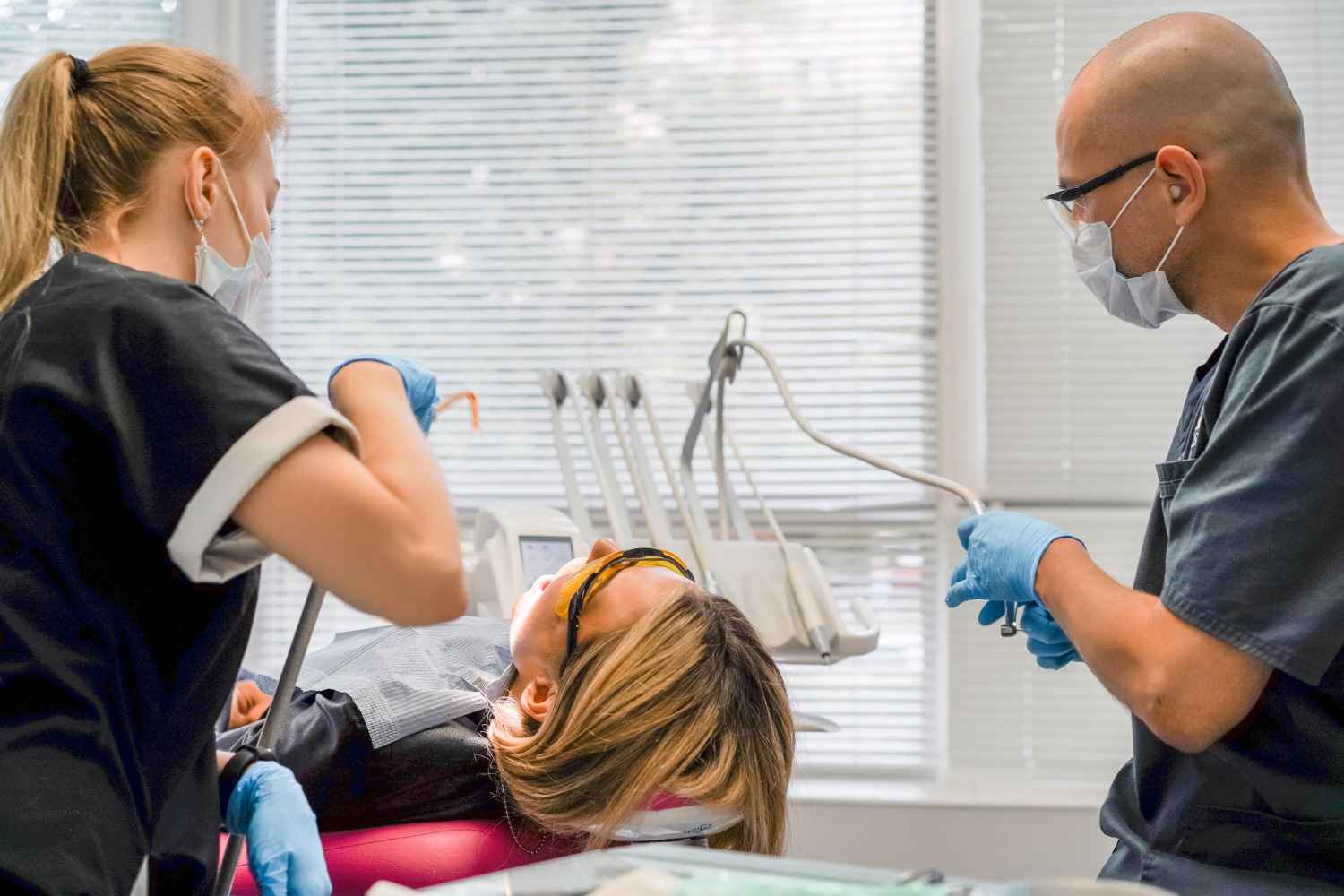
Dental emergencies rarely come with a warning. Whether it’s a sudden toothache in the middle of the night or a chipped tooth from an unexpected fall, knowing how to find the best emergency dentist near me can make all the difference in getting fast relief. In this article, we’ll guide you through what to do in a dental crisis, how to choose the right emergency dentist, and what to expect during your visit.
What Qualifies as a Dental Emergency?
Before you start typing “emergency dentist near me” into your phone, it’s important to understand what constitutes a true dental emergency. Not every discomfort needs urgent treatment, but some situations do require immediate care. These include:
- Severe toothache or sensitivity
- Knocked-out or broken tooth
- Swelling in the gums or face
- Excessive bleeding after dental work
- Lost filling or crown causing pain
- Infection or abscess with fever or pain
If you're dealing with any of these symptoms, it's crucial to find an emergency dentist near you as quickly as possible.
Why It’s Important to Act Fast
Dental problems don’t just cause discomfort—they can worsen quickly if left untreated. An untreated infection, for example, can spread to other parts of the body. A broken tooth might lead to nerve damage or permanent loss if not dealt with promptly. That’s why searching for the best emergency dentist near me at the first sign of trouble is the smart move.
Prompt treatment not only eases your pain but also helps prevent further complications and more costly treatments later on.

How to Find the Best Emergency Dentist Near Me
When a dental emergency strikes, time is of the essence. But you still want quality care. Here are some tips to help you quickly locate the right emergency dentist in your area:
1. Use Online Search Wisely
Search engines can be your best friend in a dental crisis. Typing “emergency dentist near me” will bring up local listings. Look for dental clinics with high ratings, positive reviews, and mention of 24/7 or out-of-hours services.
2. Check for 24-Hour Availability
Some dental practices only offer emergency slots during working hours, while others have 24-hour helplines or walk-in services. Opt for a clinic that offers 24-hour emergency dental care, especially if your issue occurs late at night or on a weekend.
3. Location and Accessibility
Choose a dentist located within a short drive or one easily accessible by public transport. The quicker you can reach them, the faster you’ll get relief.
4. Read Patient Reviews
Reviews from other patients can give you a good idea of the quality of care provided. Look for comments about how quickly the clinic responded, how friendly the staff were, and whether patients felt well cared for during their emergency.
5. Call Ahead if Possible
If you have time, call the clinic before you arrive. Describe your symptoms and ask whether they can treat your issue right away. This helps the dental team prepare and may reduce your waiting time.

What to Expect at Your Emergency Dental Appointment
When you arrive at the clinic, the dentist will first assess your condition. You may need an X-ray to determine the extent of the damage or infection. Once they understand the problem, they’ll take immediate steps to relieve your pain and stabilise the situation.
Common treatments during an emergency appointment may include:
- Tooth extraction
- Temporary or permanent filling
- Root canal treatment
- Prescribing antibiotics or painkillers
- Replacing lost crowns or fillings
If further treatment is needed, you may be asked to return for a follow-up appointment.
How Much Does Emergency Dental Care Cost?
Emergency dental care is often more expensive than routine treatments, especially if it’s out of hours or on short notice. Costs can vary depending on the clinic, location, and the severity of your issue.
In the UK, NHS emergency dental care is available, but appointments can be limited and waiting times may be longer. Private emergency dentists often provide quicker service, but you may pay more for the convenience.

Preventing Future Dental Emergencies
While some dental emergencies are unavoidable, many can be prevented with good oral hygiene and regular check-ups. Brush twice daily, floss regularly, and avoid chewing on hard objects like ice or pens. Wearing a mouthguard during sports can also protect your teeth from injury.
- Brush twice daily and floss regularly
- Avoid chewing on hard objects like ice or pen caps
- Wear a mouthguard when playing sports
- Visit your dentist regularly for check-ups
- Address minor dental issues before they worsen
Make it a habit to visit your dentist at least twice a year. They can spot potential issues before they become painful emergencies.
Final Thoughts
When faced with sudden tooth pain, swelling, or injury, the last thing you want is to waste time searching endlessly for help. Knowing how to find the best emergency dentist near me ensures you’ll get the care you need without delay.
Prepare in advance—save the contact details of a reputable emergency dentist in your area, and keep them on hand in case of unexpected trouble. That way, when dental disaster strikes, you’ll be ready to act fast and get the relief you need.