How to Stop a Toothache at Night — And When to Call an Emergency Dentist
On March 18, 2026
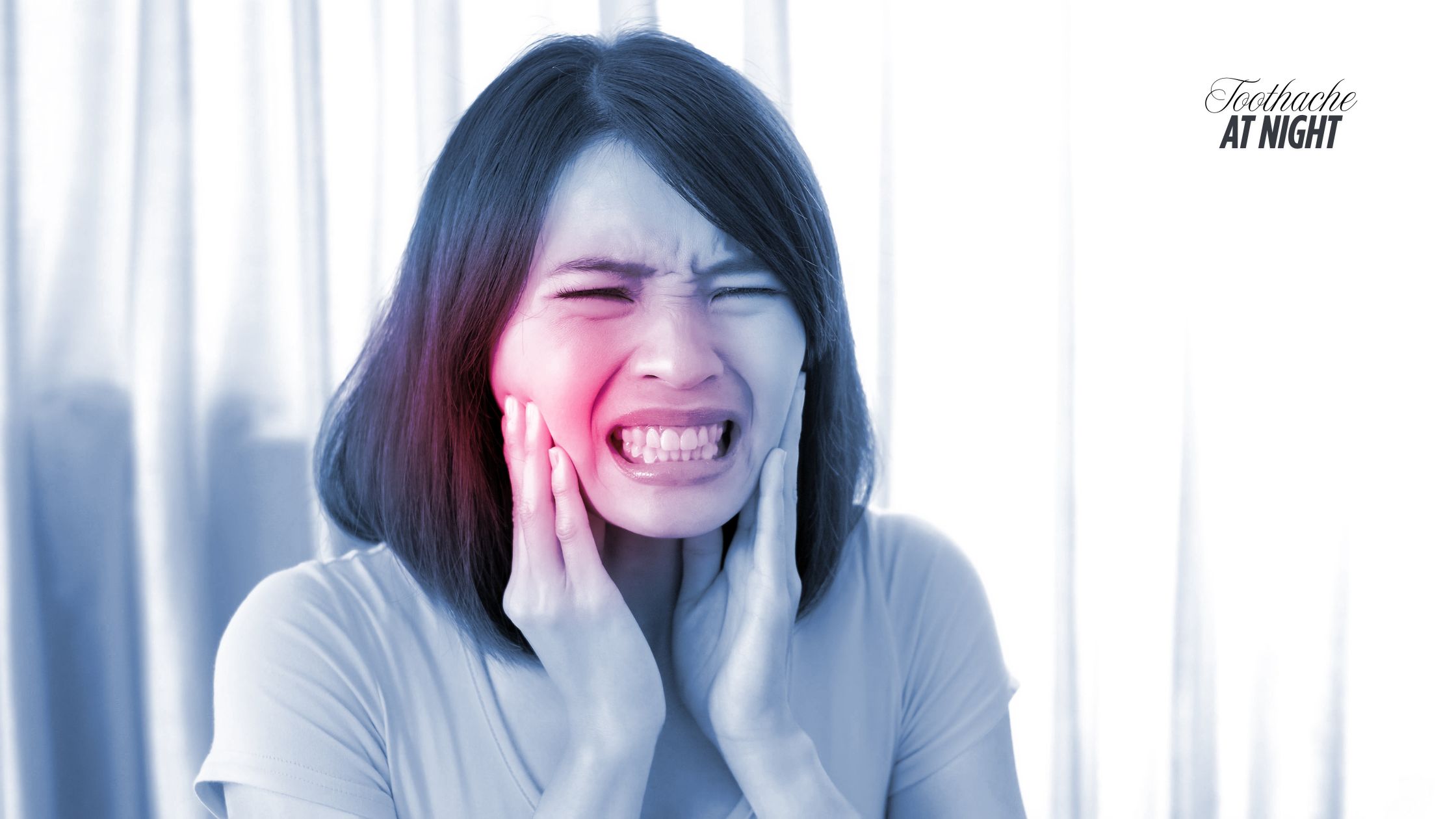
It's 1:47 am. An hour ago, you were asleep. Now you're clutching your jaw, wondering how mild discomfort has become intense pain.
You've tried paracetamol, lying on the other side, and ignoring it — which, clearly, isn't working. Now you're searching for anything that might help, or anyone who might be open.
I've been practising as a dentist on Stratford Road in Hall Green, Birmingham, for over twenty years. I've seen patients walk in at 8 am looking like they haven't slept since Tuesday, having spent the night in exactly this situation. And the same two questions come up every single time: what can I do right now to get through the night, and how do I know when this is serious enough to call someone immediately?
This piece answers both questions honestly from someone with two decades of clinical experience.
Why Toothache Is Always Worse at Night
This isn't your imagination. There's a physiological reason dental pain gets worse when you lie down, explaining why nighttime toothache often feels more severe than during the day.
When you're upright, gravity helps regulate blood pressure distribution around your body. When you lie down, blood pressure in your head increases slightly — and that increased pressure directly affects the inflamed tissue inside or around an affected tooth. More blood flow to an already inflamed area increases pressure, which in turn increases pain. It's the same reason a throbbing headache feels worse when you lie flat.
There's also a daytime distraction factor that disappears at night. Work, conversation, movement — these things occupy your brain and partially mask pain signals. In a quiet, dark bedroom with nothing to focus on, your nervous system has nothing to compete with. Every throb gets your full attention. Knowing this won't stop the pain, but it does mean you aren't exaggerating—the pain really is worse, for a real reason. or it.
What You Can Do Right Now — TonNothing at home fixes the problem. Only dental treatment resolves a toothache. The steps below help manage pain at night—not cure it.
Painkillers — Done. People often take just paracetamol or ibuprofen and are surprised when pain continues. Alternating between the two is much more effective for dental pain—unless you have medical reasons not to. Take paracetamol (1000mg for adults), then two hours later, ibuprofen (400mg with food), then paracetamol again two hours after that, continuing to alternate. This keeps pain relief steady. Follow the package's dosing instructions and never exceed the maximum dose. If you take blood thinners, have kidney problems, ulcers, or NSAID-triggered asthma, stick to paracetamol and call your GP or 111 if pain persists. enable.
Keep Your Head Elevated
Don't lie flat. Use an extra pillow or two to keep your head raised — this reduces the increase in blood pressure to the head that worsens the pain. It's a small adjustment, but it genuinely makes a difference to how intense the throbbing feels.
Clove Oil
This is one of the few home remedies that has a genuine clinical basis. Clove oil contains eugenol, which has natural anaesthetic and antibacterial properties — it's actually an ingredient in some dental materials used in practice. A small amount applied directly to the affected tooth or gum with a cotton bud can provide temporary localised relief.
The keyword is temporary. It wears off. And if your pain is severe, it probably won't be enough on its own. But combined with proper pain relief and an elevated head position, it can help take the edge off while you wait for morning.
Cold Pack on the Outside
A cold pack or a bag of frozen peas wrapped in a cloth, held against the outside of your face, can help reduce inflammation and temporarily numb the area. Use it for fifteen to twenty minutes at a time. Don't apply ice directly to the skin.
What Not to Do
Do not put aspirin directly onto the tooth or gum. This is an old folk remedy that causes chemical burns to the soft tissue — I've seen the damage it does, and it makes the situation worse, not better. Swallow aspirin if you're using it as a painkiller; don't apply it topically.
Do not apply heat to your face. Heat increases blood flow to the area, exacerbating inflammation and worsening pain. What you want externally is cold, not heat.
Of course, knowing how to relieve the pain is just one piece. Understanding what's behind the pain is just as important.
A toothache isn't one thing. It's a symptom that can come from several different sources, and the cause matters — both for understanding how serious the situation is and for knowing how urgently you need to be seen.
Tooth Decay Reaching the Nerve
The most common cause of a severe toothache is. When decay progresses through the outer enamel and dentine and reaches the pulp — the living tissue inside the tooth containing nerves and blood vessels — the result is pulpitis. Irreversible pulpitis causes intense, spontaneous pain that is often described as throbbing or shooting, worsened by heat, and may linger for minutes after the stimulus is removed. This needs root canal treatment or extraction. It won't resolve on its own.
Dental Abscess: An abscess is a bacterial infection that causes a pocket of pus. This one is most serious. Abscess pain is severe and constant, often throbbing. Swelling may appear on the gum, face, or jaw. The tooth can feel raised. If it drains, you'll notice a bad taste.
Here's the clinical reality I tell every patient: a dental abscess is not just a tooth problem. It is an active bacterial infection. Left untreated, dental abscesses can spread to the jaw, the floor of the mouth, the throat, and, in the most serious cases, to the airway or beyond. These are rare outcomes, but they happen because people waited too long. An abscess that's causing facial swelling is not a problem for next week's appointment.
Cracked Tooth
A cracked tooth produces a very specific type of pain — sharp and immediate on biting, often releasing quickly once the pressure is off. It can be difficult to locate because the pain doesn't always sit obviously on one tooth. Cracks are notoriously hard to diagnose, even clinically, and some don't show on X-rays. If you've been getting sharp pain on chewing that resolves quickly, mention it specifically when you call.
Wisdom Tooth Pain
Partially erupted wisdom teeth are prone to a condition called pericoronitis — infection and inflammation of the gum flap overlying the tooth. This produces aching pain in the back of the jaw, sometimes radiating to the ear or throat, and can be accompanied by swelling and difficulty fully opening the mouth. It tends to come and go, and patients often manage it for months before seeking treatment, which, speaking from experience, is almost always longer than they needed to wait.
Gum disease can cause pain, especially if a periodontal abscess forms. This is different from a tooth abscess but also needs prompt care.
When to Call an Emergency Dentist — Right Now, Not in the Morning
Patients often underestimate when dental discomfort becomes urgent. I want this section to be clear. urgent.
Call an emergency dentist immediately if your face or jaw swells. Swelling from infection can worsen quickly. If you see or feel swelling on your face, jaw, or neck, call immediately; don't wait. Difficulty swallowing or breathing is a true emergency. Go to A&E. Don't wait for a dentist.
You have a high temperature alongside dental pain. A fever alongside a toothache indicates that the infection has spread beyond a localised problem. If pain is unmanageable despite proper medication, get same-day treatment.
A child is in severe dental pain. Children's pain tolerance and ability to communicate symptoms are different from those of adults. Don't wait it out with a child — get them to. If you experience dental trauma, like a knocked-out or badly broken tooth, seek care immediately. Time can improve outcomes. tcome.
What to Do if Your Own Dentist Is Closed. If your dentist is closed, call their number first. Most have an out-of-hours message with instructions—this may include an emergency or on-call line or direct you to urgent services.
If you're not registered with a dentist, or your practice doesn't offer out-of-hours cover, call NHS 111. They have access to urgent dental care services across Birmingham and the West Midlands and can direct you to the nearest available appointment. NHS urgent dental care is not the same as walking into A&E. A&E can provide pain relief and antibiotics, but cannot provide definitive dental treatment, and it is not the appropriate route for dental problems unless there is facial swelling affecting breathing or a genuine medical emergency.
We offer same-day emergency appointments at our practice on Stratford Road in Hall Green. If you're in Hall Green, Robin Hood, Sparkhill, Acocks Green, or the surrounding South Birmingham areas and you're in pain — call us first thing when we open, and we will do everything we can to see you the same day.
The Morning After — What Happens at an Emergency Appointment
I think it helps to know what to expect because dental anxiety is real, and the unknown makes it worse.
When you come in for an emergency appointment, the first thing we do is find out what's causing the pain. That usually means a clinical examination and an X-ray of the affected area. Once we know what we're dealing with, we discuss the options — which might include immediate treatment or temporary relief to get you out of pain. At the same time, let's plan definitive treatment, or referral if the case requires specialist input.
The most important thing I want patients to hear: we are not going to judge you for how long it's been since you last came in, or for the state your mouth is in, or for anything else. People attend emergency appointments for all kinds of reasons and in all kinds of states. Our job is to sort out the problem, not to make you feel worse about it. Every dentist I know feels exactly this way.
Don't Wait Until It Gets to This Point Again
After twenty years of seeing patients at this stage — in pain, exhausted, having spent the night managing something that could have been caught months earlier — the thing I most want to say is this: the toothache that wakes you up at 2 am rarely comes from nowhere.
There is almost always a problem that's been building — decay that's been progressing slowly, an old filling that's been breaking down, a crack that's been getting larger. Regular check-ups catch these things at the stage where they're a small filling or a straightforward crown, not a 2 am emergency and a potential root canal.
If last night was bad enough to send you searching for help at midnight, let it be the last time. Get registered with a local dentist, come in for a proper assessment, and find out what's actually going on before the next crisis.
Book a Same-Day Emergency Appointment in Hall Green
If you're in pain right now and you need to be seen today, call us. We're on Stratford Road in Hall Green, Birmingham, and we see emergency patients from across South Birmingham — Robin Hood, Sparkhill, Acocks Green, Moseley, Solihull, and beyond.
Don't spend another night like the last one. Call us today.
Frequently Asked Questions
Can a toothache go away on its own?
Occasionally, mild sensitivity settles — but significant toothache, particularly the kind that wakes you at night, rarely resolves without treatment. The underlying cause — decay, infection, a crack — continues to progress even when the pain temporarily subsides. Pain that comes and goes is not a tooth getting better. It is a tooth progressing through stages of damage. Get it assessed.
Occasionally, mild sensitivity settles — but significant toothache, particularly the kind that wakes you at night, rarely resolves without treatment. The underlying cause — decay, infection, a crack — continues to progress even when the pain temporarily subsides. Pain that comes and goes is not a tooth getting better. It is a tooth progressing through stages of damage. Get it assessed.
Is it safe to take ibuprofen and paracetamol together?
Yes, for most adults, alternating ibuprofen and paracetamol is safe and more effective than either alone for dental pain. They work through different mechanisms and can be taken together or alternated every two hours. Always follow packet dosage instructions and avoid ibuprofen if you have kidney problems, stomach ulcers, asthma triggered by NSAIDs, or are on certain medications. If in doubt, call NHS 111 or a pharmacist.
Yes, for most adults, alternating ibuprofen and paracetamol is safe and more effective than either alone for dental pain. They work through different mechanisms and can be taken together or alternated every two hours. Always follow packet dosage instructions and avoid ibuprofen if you have kidney problems, stomach ulcers, asthma triggered by NSAIDs, or are on certain medications. If in doubt, call NHS 111 or a pharmacist.
What will happen if I leave a toothache untreated?
The underlying cause will progress. Decay reaches the nerve, requiring root canal treatment or extraction. An abscess can spread beyond the tooth into surrounding tissue. A crack can propagate until the tooth is irreparable. In the most serious cases — and these do happen — untreated dental infections can spread into the jaw, the floor of the mouth, or the airway. There is no version of leaving a genuine toothache alone where the outcome improves on its own. (Dental Infections – Dental Abscess, n.d.)
The underlying cause will progress. Decay reaches the nerve, requiring root canal treatment or extraction. An abscess can spread beyond the tooth into surrounding tissue. A crack can propagate until the tooth is irreparable. In the most serious cases — and these do happen — untreated dental infections can spread into the jaw, the floor of the mouth, or the airway. There is no version of leaving a genuine toothache alone where the outcome improves on its own. (Dental Infections – Dental Abscess, n.d.)
How do I know if I have a dental abscess?
Classic signs include constant throbbing pain, swelling of the gum or face, a bad taste in the mouth, fever, and a tooth that feels raised or different when you bite. You don't need all of these to have an abscess — some present with primarily pain and swelling, others with mainly systemic symptoms. If you suspect an abscess, particularly if there is any facial swelling, seek same-day dental care.
Classic signs include constant throbbing pain, swelling of the gum or face, a bad taste in the mouth, fever, and a tooth that feels raised or different when you bite. You don't need all of these to have an abscess — some present with primarily pain and swelling, others with mainly systemic symptoms. If you suspect an abscess, particularly if there is any facial swelling, seek same-day dental care.
Can I go to A&E for a toothache?
A&E can provide pain relief and antibiotics to manage symptoms temporarily. But A&E cannot provide dental treatment — they cannot fill a tooth, properly drain an abscess, or perform an extraction. For most dental emergencies, an urgent dental appointment is the right course of action. The exception is facial swelling that affects your ability to swallow or breathe, a high fever alongside a dental infection, or any situation where you feel genuinely unwell systemically — in those cases, A&E or calling 999 is the right call.
A&E can provide pain relief and antibiotics to manage symptoms temporarily. But A&E cannot provide dental treatment — they cannot fill a tooth, properly drain an abscess, or perform an extraction. For most dental emergencies, an urgent dental appointment is the right course of action. The exception is facial swelling that affects your ability to swallow or breathe, a high fever alongside a dental infection, or any situation where you feel genuinely unwell systemically — in those cases, A&E or calling 999 is the right call.
Do you see emergency patients in Hall Green on the same day?
Yes. We do everything we can to see patients in pain at our Stratford Road practice the same day. Call us as early as possible and explain that you're in pain — we keep capacity for urgent cases and will fit you in wherever we can.
Yes. We do everything we can to see patients in pain at our Stratford Road practice the same day. Call us as early as possible and explain that you're in pain — we keep capacity for urgent cases and will fit you in wherever we can.