Single Dental Implant Cost Birmingham (2026 Guide)
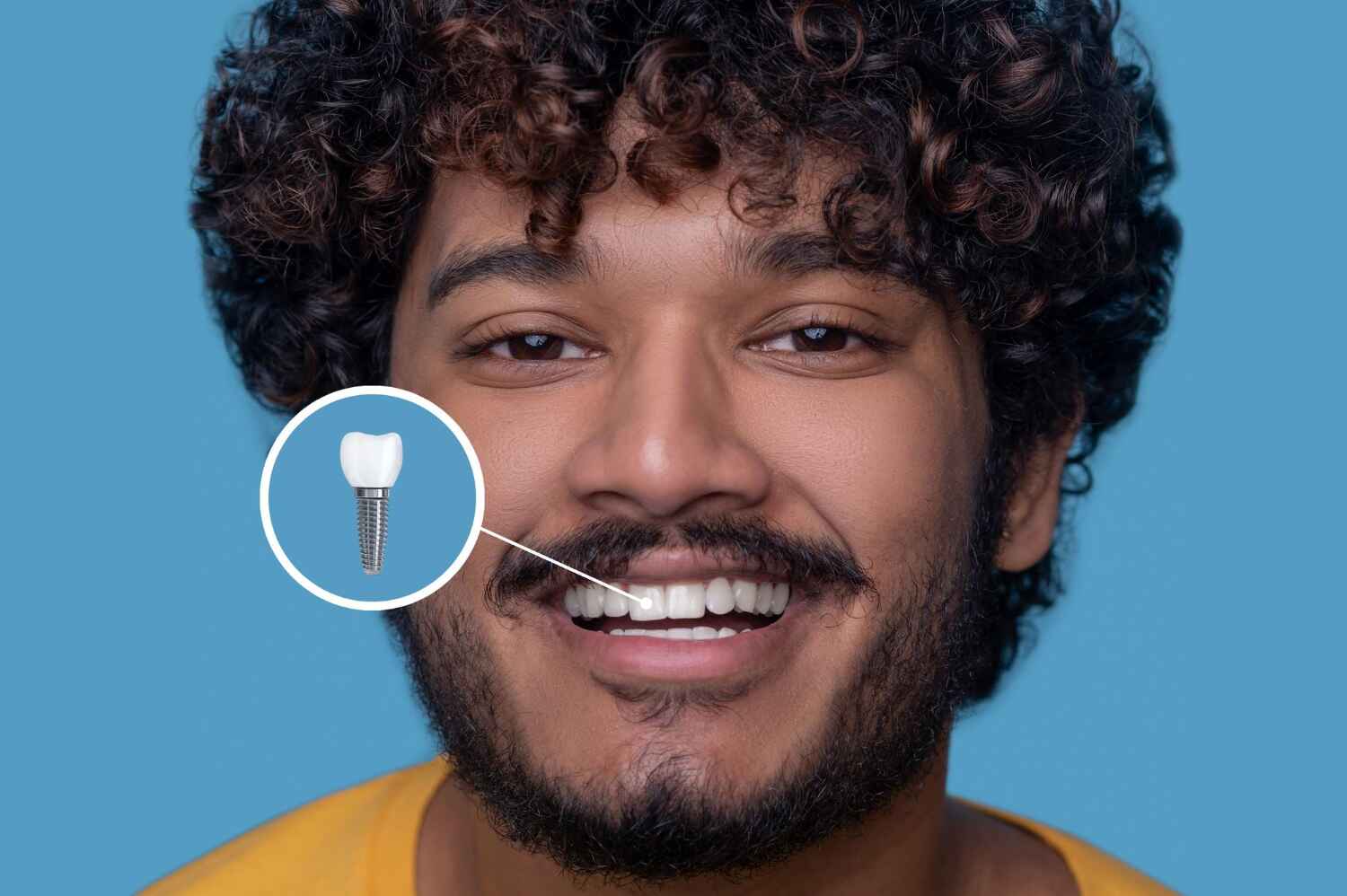
If you're searching for dental implants Birmingham clinics rarely give you a straight answer on price — most show a vague "from" figure with no real detail behind it. At Robinhood Dental Practice, we believe in showing you exactly what you're paying for — the implant fixture, the crown, and any extra steps your case might need — so you can budget with confidence before you ever sit in the chair.
At a Glance: Single Implant Cost in Birmingham
| Item | Price From |
|---|---|
| Implant Fixture | £2,500 |
| Crown — Metal | £495 |
| Crown — Porcelain Fused to Metal (PFM) | £595 |
| Crown — Zirconia / Emax | £695 |
| All-In Cost (Implant + Crown) | £2,995 – £3,195 |
It's worth noting that the implant fixture and the crown are priced separately. This is standard practice across the industry, but it's rarely explained clearly — so here, we're breaking it down line by line.
What's Actually Included in a Birmingham Implant Quote
A single dental implant isn't a single fee — it's built up of a few distinct stages, each with its own cost. Here's exactly what goes into the Robinhood dental implant cost for a typical case.
| Item | Notes | Price From |
|---|---|---|
| Consultation | Covers assessment and X-rays when booked online | £35 |
| New Patient Examination | If you're not yet a registered patient | £25 |
| X-Ray (Standalone) | If not already included in your consultation | £10 |
| Tooth Extraction | Only if the tooth needs removing first (unless surgical or wisdom tooth) | £110 – £195 |
| Implant Fixture | The titanium screw placed into the jawbone | £2,500 |
| Crown | Your choice of Metal, PFM, or Zirconia/Emax | £495 – £695 |
| Antibiotic Prescription | If clinically required | £20 |
| Temporary Dressing | If required between appointments | £50 |
Realistic Total Cost Scenarios
Straightforward case (no extraction needed): Consultation (£35) + Implant Fixture (£2,500) + Crown (£495–£695) = £3,030 – £3,230
If a tooth needs to be removed first: Add the extraction fee (£110–£195) to the above = £3,140 – £3,425+
These ranges reflect the most common single-implant journey. Your dentist will confirm your exact plan — including whether an extraction is needed — after your consultation and X-rays.
The Implant Journey: What Happens at Each Stage
- Consultation & Assessment – Your dentist examines your mouth, reviews your medical history, and takes X-rays to assess bone structure.
- Extraction (if needed) – If the tooth is still present and unsalvageable, it's removed and the site is given time to heal before the implant stage.
- Implant Placement – The titanium fixture is placed into the jawbone under local anaesthetic.
- Healing (Osseointegration) – The implant fuses with the jawbone over a period of roughly 3–6 months. This stage can't be rushed — it's what gives the implant its long-term strength.
- Crown Fitting – Once healing is confirmed, your custom crown (Metal, PFM, or Zirconia/Emax) is fitted and checked for bite and appearance.
Choosing Your Crown Material
| Crown Type | Best For | Price From |
|---|---|---|
| Metal | Back teeth, where strength matters more than appearance | £495 |
| Porcelain Fused to Metal (PFM) | A balance of durability and a natural look | £595 |
| Zirconia / Emax | Front teeth or anyone prioritising the most natural, tooth-like appearance | £695 |
There's no single "right" choice — it depends on which tooth is being replaced and your priorities around appearance versus cost. Our team can talk you through this at your consultation.
Cheapest Dental Implants in Birmingham: What to Actually Watch For
It's natural to search for the cheapest dental implants in Birmingham or cheap dental implants West Midlands when you're facing a bill of several thousand pounds. But the lowest headline price is rarely the full story. A quote that only covers the fixture — and adds the crown, X-rays, or a "necessary" bone graft later — can end up costing more than a clinic that was upfront about the full price from the start.
When comparing prices across Birmingham and the wider West Midlands, ask whether the quote includes: the consultation and X-rays, the crown (and which material), any extraction if one is needed, and aftercare reviews. At Robinhood Dental Practice, our pricing above reflects exactly that — no hidden stages added after you've already committed.
Full Mouth Dental Implants in Birmingham
If you're missing several teeth or need a full arch restored rather than a single tooth, full mouth dental implants in Birmingham (sometimes called All-on-4 or full-arch implants) are a separate treatment pathway with their own pricing, distinct from the single-implant costs on this page. Because the planning, number of fixtures, and prosthetics involved vary significantly from patient to patient, we provide a personalised quote after a full clinical assessment. Get in touch with our team if this applies to you.
Same-Day Dental Implants Birmingham: Are They Right for You?
Same-day dental implants — where a temporary tooth is fitted on the same day as implant placement — are a specific technique that suits certain cases, but not every patient is a candidate for it. In most standard cases, including the single-implant journey outlined above, the implant needs a healing period of several months before a permanent crown can be fitted safely. If you're specifically interested in same-day options, mention this at your consultation so we can assess whether your bone density and overall oral health make you suitable.
Tooth Implant Cost UK NHS: Is It an Option?
NHS-funded dental implants are not generally available for routine tooth loss. They're reserved for specific clinical circumstances — for example, tooth loss following cancer treatment, certain congenital conditions, or severe trauma where a denture or bridge genuinely isn't workable. If you do qualify, treatment is usually arranged through a hospital referral pathway rather than at a standard NHS dentist, and the criteria are strict. For the vast majority of patients, private treatment — like the pricing outlined on this page — is the realistic route to a dental implant in Birmingham.
How Birmingham Compares
Birmingham and the wider Midlands are generally known for more competitive dental implants cost UK pricing than London and the South East, while still offering the same standard of GDC-regulated care. If you've seen single implant prices of £3,500 or more quoted elsewhere, our Birmingham-based pricing is structured to keep your all-in cost typically under £3,300 for a straightforward case.
Booking & Cancellation Policy
Booking your appointment online reserves your slot and includes your assessment and X-rays as part of the £35 consultation fee. Refunds are only available if you cancel more than 48 hours before your appointment time. If you're unable to make your appointment, please contact our team as early as possible so we can assist you.
Frequently Asked Questions
How much should I pay for a single tooth implant?
A fair, transparent price for a single dental implant in the UK typically falls between £2,500 and £3,800 once the crown is included, depending on the crown material and whether any extra steps (like an extraction) are needed. At Robinhood Dental Practice, a straightforward case totals £3,030–£3,230.
How much does a single dental implant cost?
The implant fixture itself starts from £2,500. Add your chosen crown (£495–£695) and the initial consultation (£35), and most patients pay £3,030–£3,230 in total for a straightforward single implant.
Does Birmingham Dental Hospital do implants?
Birmingham Dental Hospital is part of an NHS Foundation Trust and the University of Birmingham's School of Dentistry, and it operates as a specialist, referral-based service. Routine implant treatment isn't provided through its student dental clinics, and implant care there is generally only accessed via referral for patients who meet specific clinical criteria. Most people seeking a dental implant in Birmingham will do so through a private practice.
Is a single tooth implant worth it?
For most people missing a single tooth, yes. An implant doesn't rely on neighbouring teeth for support (unlike a bridge), helps prevent the bone loss that follows tooth loss, and can last for decades with good care. The trade-off is a higher upfront cost and a treatment timeline of several months — which is worth weighing against the longer-term cost and maintenance of a denture or bridge.
What does a 1 tooth denture look like?
A single-tooth denture (sometimes called a "flipper") is a removable appliance — usually a small acrylic plate with one artificial tooth attached, held in place by clasps that hook around the neighbouring teeth. It's a quicker, lower-cost option than an implant, but it's removable, less stable, and generally intended as a temporary or interim solution rather than a permanent one.
Prices listed are correct as of 2026 and represent starting costs — your exact quote will depend on your individual clinical assessment. Book a consultation with Robinhood Dental Practice to get your personalised, itemised treatment plan.