Medically reviewed by Dr Mudasir Ur Rehman, GDC No. 166599 — Robinhood Dental Practice, Birmingham
Last updated: September, 2026
This guide covers pain and what to expect. For a full day-by-day recovery plan, see our Tooth Extraction Healing Guide. For NHS and private pricing, see our Emergency Tooth Extraction Cost Guide.
It's 2am, your cheek is swelling like a balloon, and the toothache has gone from annoying to unbearable. You've tried every home remedy and nothing's touching it. If you're searching for help right now, you're not alone — this happens to someone in Birmingham most nights of the week.
I've worked in busy NHS emergency dental clinics and seen patients walk in panicked and walk out relieved. The question almost everyone asks first isn't "how much" or "how long" — it's "how much is this going to hurt?" Here's the honest answer.
When Does a Tooth Actually Need Emergency Extraction?
Dentists never take teeth out lightly — we train for years to save them with fillings, root canals, and crowns. But certain situations force our hand, and waiting risks an abscess bursting into the jaw or bloodstream.
The most common triggers we see:
- Facial swelling from a dental abscess, especially if you can't close your mouth properly
- Severe trauma — a knocked-out, cracked, or split tooth from a fall or sport
- Tooth pain that paracetamol barely touches
- Advanced decay, where the tooth structure has broken down completely
- Impacted wisdom teeth causing repeated infections
If any of these sound familiar, it's worth getting seen today rather than waiting.
How Painful Is It, On a Real Scale?
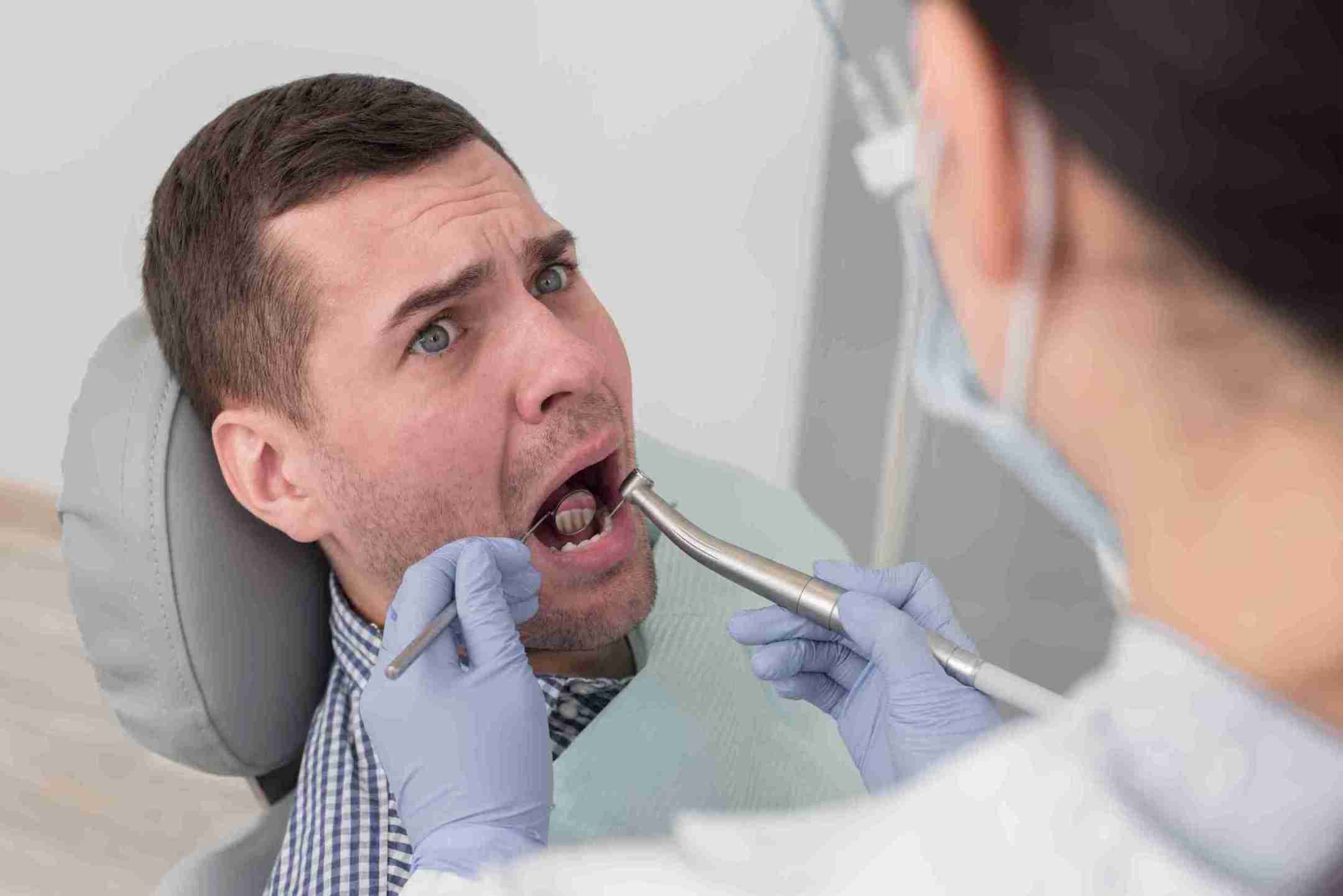
Here's the honest truth: the pain before treatment is almost always worse than during or after. That throbbing, radiating ache keeping you up at night is the real beast. Once you're in the chair with local anaesthetic working, everything changes.
Most patients describe the procedure itself as pressure, not pain — you feel the tooth being rocked loose, maybe some stretching, but no stabbing sensation. The injection stings for 2–3 seconds, like any jab, then numbness spreads fast.
What patients actually report, on a 1–10 scale:
| Stage | Typical pain level |
|---|---|
| Before extraction (untreated) | 8–10/10 for severe cases |
| During extraction (properly numb) | 1–3/10 — pressure only |
| After extraction, day 1 | 3–5/10 |
| After extraction, day 3 | 1–2/10 |
Everyone's threshold is different, but modern local anaesthetic — and sedation where needed — makes this far less daunting than most people fear.
How We Manage Pain, Before, During & After
Before/during:
- Local anaesthetic (standard) — one or two injections; you'll be tested with a gentle poke before we start
- Gas & air (Entonox) — for nervous patients who want to stay calm without full sedation
- IV sedation — a "twilight sleep" for more complex or anxiety-inducing cases; you're awake but relaxed and won't remember much
- General anaesthetic — rare for a single extraction, usually reserved for children or major surgical cases
Immediately after: We recommend paracetamol and ibuprofen together (never aspirin, as it thins the blood), an ice pack on the cheek in 10-minute intervals, and salt-water rinses from 24 hours post-extraction. Most people find the ache manageable and fading fast — the first 24 hours are the peak, and it's downhill from there.
For the full recovery timeline, what to eat each day, and when normal life resumes, see our Tooth Extraction Healing Guide.
Pain That's Not Normal: Warning Signs
Most discomfort after extraction is mild and expected. But watch for:
- Pain that gets worse on day 3 or later, rather than better — a possible sign of dry socket
- Fever above 38°C
- Swelling that increases after 48 hours instead of settling
- Heavy bleeding that restarts after the first day
- Difficulty breathing or swallowing
Dry socket affects roughly 3–5% of extractions and happens when the healing blood clot is lost too early. If your pain spikes rather than fades, call us — don't wait it out.
FAQs
Is tooth extraction painful?
Before treatment, often yes. During and after, pain is minimal with proper anaesthetic — most people describe pressure rather than pain, managed easily with standard painkillers.
Does it hurt more than a filling?
Most patients say the extraction itself feels similar to or less intense than they expected — the anxiety beforehand is usually worse than the procedure.
How long until the pain is gone?
Sharpest on day 1, noticeably better by day 3, and mostly gone within a week for straightforward extractions. See our healing guide for the full day-by-day breakdown.
What is dry socket?
It's when the healing blood clot comes away too early, exposing bone underneath — painful, but avoidable by skipping straws, smoking, and vigorous rinsing in the first few days.
Can I skip painkillers if I'm not in much pain?
Taking them on a schedule for the first 24–48 hours, rather than waiting for pain to build, generally keeps discomfort lower overall.
Still Worried About the Pain?
That's completely normal — and it's usually worse in your head beforehand than it turns out to be in the chair. If you're dealing with a dental emergency right now, don't wait for it to get worse.
Book an emergency appointment →
Related guides: Tooth Extraction Healing: Day-by-Day Recovery · Emergency Tooth Extraction Cost Guide