Root Canal Treatment Birmingham — The Honest Guide
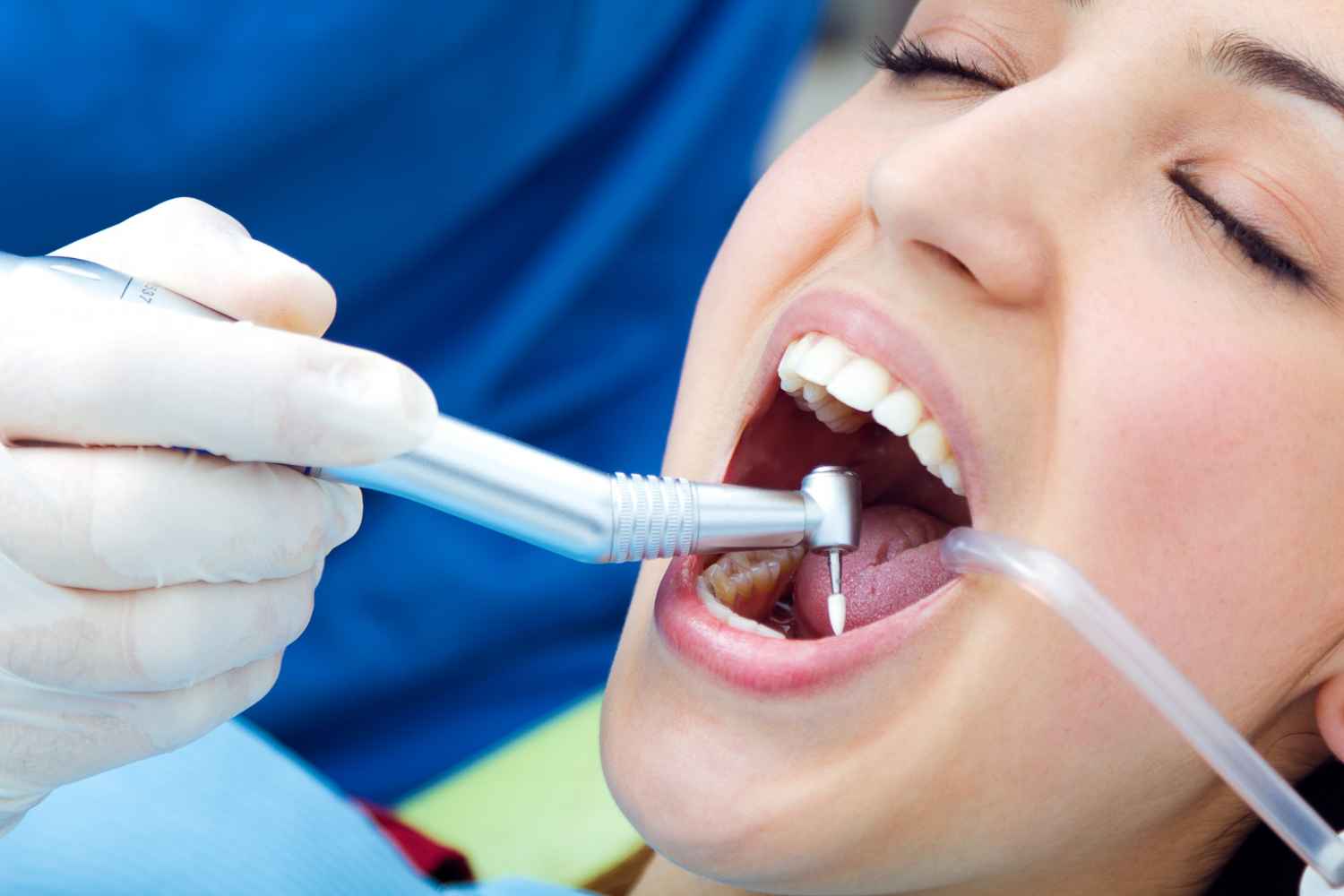
Nobody searches "what happens during a root canal" because they're curious. They search it at midnight, jaw aching, half-convinced they need one and hoping they're wrong. Or they've just been told they need the procedure and want to know what they're actually walking into.
This guide doesn't just reassure you that it will be fine. It tells you exactly what happens — step by step, sensation by sensation — and it's honest about the parts other guides skip. Including when a root canal is not the right answer.
If you're in Birmingham and weighing up your options, here's everything you actually need to know.
Do You Actually Need a Root Canal? — Symptoms Checklist
Not every toothache leads to a root canal. But certain symptoms suggest the pulp inside your tooth has become infected or damaged, and that's when the procedure becomes necessary.
Symptoms that commonly point to root canal treatment:
- Persistent, throbbing pain that doesn't settle — particularly pain that wakes you at night
- Sensitivity to heat or cold that lingers for more than a few seconds after the source is removed
- Pain when biting down or applying pressure to the tooth
- A darkening or greening of the tooth compared to those around it
- A small raised spot on the gum near the tooth — this is usually a sign of an abscess
- Swelling in the gum, cheek, or jaw
Important: Some people have none of these symptoms. The infection is picked up on an X-ray during a routine check-up. This is why attending regular appointments matters — catching an infection early makes treatment significantly simpler.
"My tooth stopped hurting on its own — does that mean it healed?" Almost certainly not. When the nerve dies, the pain stops. But the infection remains and continues to spread into the surrounding bone. A tooth that suddenly stops hurting after persistent pain needs to be checked.
NHS vs Private Root Canal in Birmingham — Honest Cost Breakdown
Root canal treatment is available on both the NHS and privately in Birmingham. Here's the honest picture:
NHS Root Canal Treatment
Under NHS banding, root canal treatment currently falls under Band 2, which has a standard patient charge. The NHS covers the clinical procedure but limits your restoration options — you'll typically receive an amalgam filling rather than a tooth-coloured composite or crown.
The bigger issue in Birmingham, as in much of the UK, is availability. NHS dental appointments are increasingly difficult to secure, and waiting times for treatment — particularly for complex cases — can be significant. If you're in pain, waiting is not always a realistic option.
Private Root Canal Treatment in Birmingham
Private treatment costs vary depending on which tooth is being treated. Front teeth (incisors and canines) have a single root canal and are simpler to treat. Premolars typically have two canals. Molars at the back have three or four canals and take longer.
At Robinhood Dental Practice, costs are explained in full before any treatment begins — no surprises at the point of payment. Flexible dental payment plans are also available. [Internal link: fees and payment options]
One factor worth knowing: delaying treatment to save money almost always costs more in the end. An infection that spreads requires more complex treatment, and a tooth lost to infection will eventually need replacing — which costs significantly more than a root canal.
What Happens During the Procedure — Step by Step
Here is exactly what happens in the chair, including what you'll feel at each stage.
- X-ray and diagnosis. Before anything else, your dentist examines the tooth and takes an X-ray to map the root structure and confirm the extent of infection. This shapes the entire treatment plan.
- Local anaesthetic. The area around the tooth is numbed with a local anaesthetic injection. Most patients say they feel a brief sting as the injection goes in, and then nothing. If the infection is severe, numbing can occasionally take slightly longer to take full effect — your dentist will always wait until you're properly numb before proceeding.
- Rubber dam placement. A thin sheet of latex or non-latex material is placed around the tooth. This keeps it clean and dry during treatment. It feels slightly unusual at first but most patients stop noticing it within a minute or two.
- Access opening. A small opening is made through the top of the tooth using a dental drill. Under anaesthetic, you'll feel vibration and pressure — not pain. This is the part that sounds alarming from the waiting room but feels very different from the inside.
- Pulp removal and canal shaping. Using very fine instruments, the dentist removes the infected pulp tissue and carefully shapes each canal. This stage takes the longest. You may feel mild pressure or a faint sensation if a file gets near the apex of the root — if this happens, tell your dentist and they will add more anaesthetic.
- Disinfection. The canals are flushed with an antibacterial irrigation solution — typically sodium hypochlorite — to eliminate remaining bacteria. You won't feel this but you may notice a faint smell.
- Canal filling and sealing. The cleaned canals are filled with a biocompatible rubber material called gutta-percha and sealed with a dental cement. This permanently closes the canals to prevent reinfection.
- Temporary or permanent restoration. A filling closes the access opening. In most cases, a crown is recommended afterwards to protect the tooth — this is usually done at a separate follow-up appointment.
Total chair time: 60-90 minutes for a straightforward single-visit case. More complex cases involving multiple appointments will be discussed with you in advance.
"What if I raise my hand in the middle?" You stop immediately. A hand signal to pause is standard practice. You are in control throughout the procedure — a good dentist will remind you of this before they begin.
Single Visit vs Multiple Appointments — What Determines This?
A common source of anxiety is not knowing how many appointments you'll need. Here's how it's decided:
- Single visit: most straightforward cases where the infection is contained, the canals are clearly mapped, and the tooth structure is sound. This is increasingly the norm with modern techniques.
- Two visits: where infection is more extensive, where the dentist wants to place a medicated dressing inside the tooth for a period before final sealing, or where the anatomy of the roots is complex.
- More than two visits: uncommon, but possible with severely curved canals, calcified roots, or cases where a previous root canal needs to be redone (retreatment).
Your dentist will tell you at the consultation stage which applies to your case. You won't find out mid-procedure.
Recovery — What to Expect Day by Day
Day 1 (day of treatment)
The anaesthetic takes several hours to wear off fully. Avoid eating on the treated side until sensation returns completely. Some patients feel fine by the evening; others feel mild tenderness around the jaw. Over-the-counter ibuprofen or paracetamol manages this well for most people.
Days 2 and 3
This is typically when any post-treatment soreness peaks. The tooth and surrounding gum may feel sensitive to pressure. This is normal inflammation — not a sign that something has gone wrong. Continue with normal oral hygiene. Soft foods are sensible for these first days.
Days 4 to 7
For the majority of patients, tenderness has settled significantly by this point. If you're still experiencing significant pain at day 4 or beyond, contact your dentist — this is uncommon but warrants a check.
Week 2 onwards
Most patients report that the tooth feels entirely normal. If a crown is required, this appointment typically happens two to three weeks after the root canal. Until the crown is fitted, avoid biting hard foods on the treated side.
A note on painkillers: ibuprofen (anti-inflammatory) tends to work better than paracetamol alone for post-root canal soreness, because the discomfort is inflammation-driven. If you can take ibuprofen safely, take it as directed on the packet rather than waiting until the pain peaks.
Myths vs Facts — What the Evidence Actually Says
Myth: Root canals are the most painful dental procedure
Fact: This is the most persistent and most misleading myth in dentistry. The pain people associate with root canals is the pain of the infection before treatment — not the procedure itself. Under local anaesthesia, root canal treatment is consistently rated by patients as no more painful than having a filling. Research published in the Journal of Endodontics found that anticipated pain is almost always significantly higher than experienced pain.
Myth: Pulling the tooth is easier and just as good
Fact: Extraction removes the problem tooth but creates a new one — a gap. Without a replacement, the surrounding teeth shift over time, bone in the area begins to shrink, and neighbouring teeth are placed under increased strain. Replacing a missing tooth with an implant costs considerably more than saving the original. Where a root canal is clinically viable, it is the better long-term choice in the vast majority of cases.
Myth: Root canals cause illness in other parts of the body
Fact: This claim originates from research conducted in the 1920s that has since been comprehensively discredited. Every major dental and medical authority — including the British Endodontic Society and the NHS — has confirmed that there is no credible scientific evidence linking root canal treatment to any systemic disease.
Myth: You will always need multiple appointments
Fact: Single-visit root canal treatment is now standard practice for many straightforward cases. Advances in rotary instrumentation and imaging have made what previously required two or three visits achievable in one. Your dentist will confirm at consultation which applies to your situation.
When Root Canal Treatment Is Not the Right Answer
Most guides skip this. We think it's worth being honest about it.
Root canal treatment is not always the correct choice. There are situations where extraction is the more appropriate clinical decision:
- The tooth structure is too severely damaged or fractured to support a crown after treatment
- The bone loss around the tooth is so advanced that the tooth cannot be saved regardless of treatment
- The root canals are calcified to the point where they cannot be instrumented safely
- A previous root canal has failed and retreatment is not clinically indicated
- The overall cost of saving the tooth — root canal plus crown — is disproportionate to the likely lifespan of the result
In these situations, a well-placed implant after extraction is often the better long-term investment. At Robinhood Dental Practice, we will always give you an honest assessment of whether a tooth is worth saving — not just a recommendation to proceed. [Internal link: dental implants Birmingham]
What If the Root Canal Fails?
Root canal treatment has a high success rate — figures from the British Endodontic Society indicate success rates above 90% in suitable cases. But it is not 100%, and patients deserve to know what failure looks like.
Signs that a root canal may not have fully resolved the problem:
- Pain or sensitivity that returns weeks or months after treatment
- Swelling that reappears around the treated tooth
- A new abscess forming on the gum
- Evidence of infection on a follow-up X-ray
If this happens, the options are retreatment (repeating the root canal), a minor surgical procedure called an apicoectomy to remove the infected root tip, or extraction. None of these outcomes are common, but knowing they exist — and that they are manageable — is better than being caught off guard.
A Representative Patient Scenario
The following is a typical example based on common patient presentations.
Marcus, a secondary school teacher from Erdington, had been managing a sensitive upper molar with painkillers for six weeks. He kept telling himself it would settle. It didn't — one Wednesday evening the pain became severe enough that he called the practice the next morning.
An X-ray confirmed a deep infection reaching the root. He was told he needed a root canal. He went quiet for a moment. "How bad is it going to be?" he asked.
The procedure was completed in a single appointment — 80 minutes in the chair. He described the experience afterwards as "anticlimactic". Some pressure during the procedure, mild tenderness the following day managed with ibuprofen, and back at work the day after.
Three weeks later he returned for his crown. The tooth has given him no trouble since.
"I wasted six weeks on painkillers when I could have sorted it in one appointment. The thing I was dreading most turned out to be the least bad part of the whole thing."
For Nervous and Anxious Patients
Dental anxiety is one of the most common reasons people delay treatment — and one of the most understandable. If the idea of sitting in a dental chair makes your heart rate rise, you are not alone and you won't be judged for it.
At Robinhood Dental Practice, we work regularly with nervous patients. Before anything begins, we explain each step. During the procedure, we stop whenever you need to. We do not rush. If you need more anaesthetic, we add it without making you feel like it's an inconvenience.
For patients with significant anxiety, sedation options may be available — ask about this at your consultation. [Internal link: nervous patients page]
A note for patients who have been avoiding dental care for years: the judgement you're expecting from us does not exist. The only thing we care about when you come in is getting your mouth into good health. Whatever state things are in, we've seen worse. Come in.
Frequently Asked Questions
How do I know if I need a root canal or just a filling? A filling treats decay that hasn't reached the pulp. Once infection reaches the pulp — causing persistent pain, abscess, or nerve damage — a root canal is needed. An X-ray and examination will confirm which applies.
Can I drive home after root canal treatment? Yes, if only local anaesthetic was used. Avoid driving if sedation was administered — arrange someone to collect you.
How long does a root canal take to heal? Most patients feel back to normal within a week. Mild tenderness in the first 2-3 days is normal. If significant pain persists beyond 4 days, contact your dentist.
Will the tooth last forever after root canal treatment? A root-treated tooth can last many decades with proper care. The crown placed afterwards is critical to its longevity — it protects the tooth from fracture. Without a crown, root-treated teeth are more vulnerable to breaking.
Is root canal treatment available on the NHS in Birmingham? Yes. It is classified as Band 2 treatment. NHS availability varies — contact your practice to confirm current appointment availability.
What happens if I do nothing? The infection does not resolve on its own. It spreads to the surrounding bone and tissue. The tooth will ultimately be lost, and the treatment required at that point — extraction plus implant or bridge — is more complex and significantly more expensive than treating it now.
Summary
Root canal treatment is not the ordeal its reputation suggests. Under modern anaesthesia, with a dentist who communicates clearly and works at your pace, most patients finish the appointment and wonder what they were so worried about.
The real risk is not the procedure. It's the wait. An infected tooth does not improve on its own — it worsens, and the longer it is left, the fewer options remain.
If you're in Birmingham and concerned about a tooth, or you know you've been putting something off, book an examination at Robinhood Dental Practice. We'll tell you honestly what is happening, what your options are, and what we recommend. No pressure before you've had a proper conversation.