What Is a Scale and Polish, and Do You Need It?
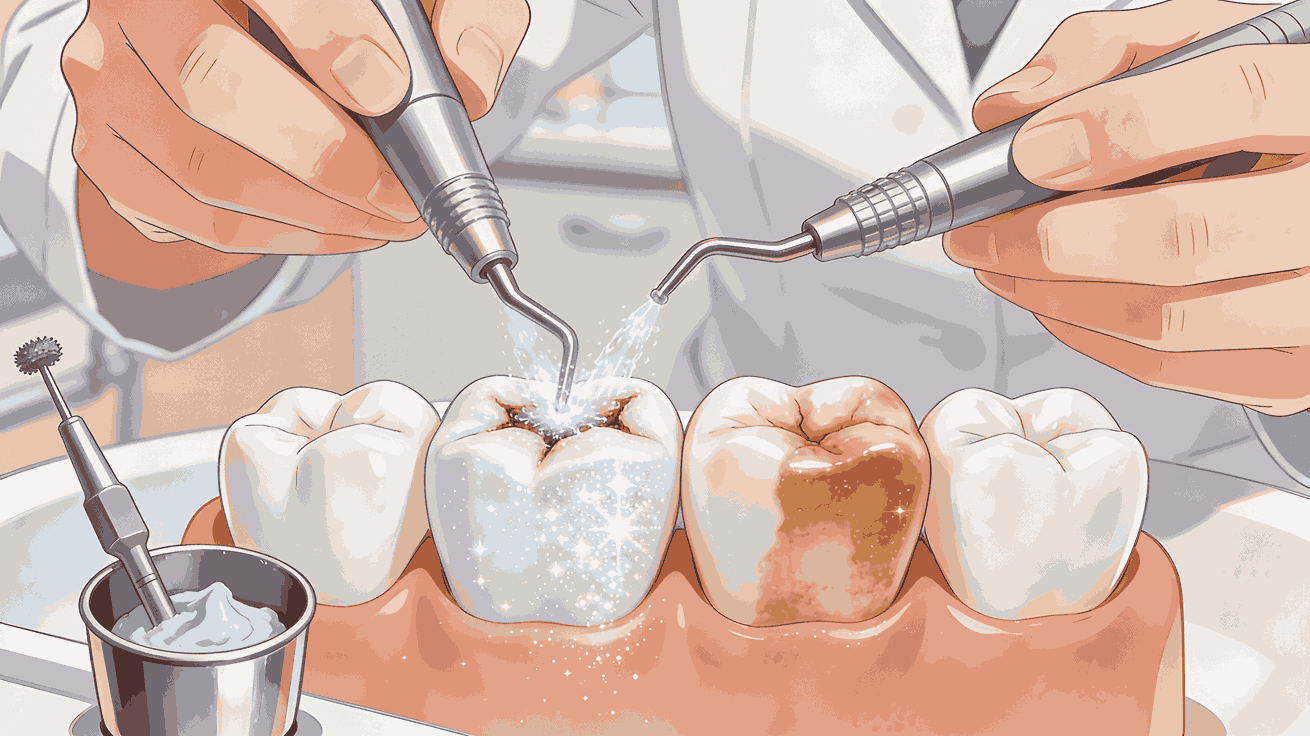
Alright, let's cut the chase—"scale and polish" might sound like you're prepping a fishing boat or buffing up some old jewelry, but nah, it's straight-up one of the smartest moves for your teeth. Ever run your tongue along your gums and hit that gritty line? Or deal with breath that just won't freshen up no matter how many mints you pop? That's tartar buildup waving hello, and this procedure is the pro fix. I've chatted with folks who've skipped it for years only to regret the gum drama later. At spots like Robinhood Dental Practice, they turn it into a chill hygiene session that leaves you grinning wider.
No cap, even if you're brushing like a champ twice a day and flossing religiously, plaque sneaks in and hardens into stuff your toothbrush can't touch. We're talking potential gum disease, cavities, and even links to bigger health headaches like heart issues. Dentists push it every 6 months for most, but it depends on your habits. Stick around as we unpack the whole thing—from history to science, step-by-step what happens, why it's a wallet-saver, and how to know if you're overdue. High-quality studies back this up, like Cochrane reviews showing it keeps tartar in check over years.
A Quick History: How We Got Here with Dental Cleanings
Fun fact: This isn't some new-age gimmick. Ancient Romans and Greeks scribbled about polishing teeth with crushed shells or coral way back. Fast-forward to the 1700s, Pierre Fauchard—aka the father of modern dentistry—amped it up with fine powders for stain-busting. By the early 1900s, Dr. Fones trained hygienists to do coronal polishing routinely. Tools evolved from metal picks in the Middle Ages to today's ultrasonic wonders. It's come a long way from boar-bristle brushes on bone handles, but the goal's the same: zap plaque before it wrecks havoc.
Today, it's preventive gold. In the UK alone, millions get it yearly—13.1 million NHS courses in England recently, costing £33m+ in Scotland. Not hype; it's evolved because it works. Check the NHS guide on dental treatments for official details—they describe it as professionally removing tartar deposits.
Deep Dive into the Procedure: Scale vs. Polish Explained
Don't sweat it—it's two phases, not a marathon. Hygienists (not always dentists) handle this during dedicated slots, as outlined by the American Dental Association (ADA).
Phase 1: Scaling – The Heavy Lifting Deep Clean
Scaling's the star: nuking plaque and tartar (calculus). Plaque's that sneaky bacterial film reforming hourly from food and spit. Miss it? Hardens in 24-72 hours into tartar—yellowish crust gluing to enamel, especially lower fronts and upper molars.
Tools? Two camps:
- Hand scaling: Curved picks give tactile vibes—hygienist feels deposits for precision in tight spots. Great for anxious patients or delicate gums; more control, less vibe.
- Ultrasonic scaling: Power tool vibrates (20,000-40,000 Hz) with water spray to shatter tartar. Faster for heavy buildup, reaches deep pockets. Studies show it's as effective as hand but quicker, less tiring for pros.
They hit supragingival (above gums) and subgingival (below) areas. Feels like a tickle or cool massage. A Cochrane study (2 trials, 1,088 folks) found 6-monthly scaling drops tartar by 0.32 SMD vs. none—small but steady win over 2-3 years.
Phase 2: Polishing – Smooth Operator for Shine and Protection
Tartar out? Prophy paste (gritty, flavored) on a rubber cup/brush spins at 3,000 RPM. Buffs coffee/tea/tobacco stains, seals enamel pores where bugs hide. Result: Slick surface plaque hates. Not bleaching—just natural glow, 1-2 shades brighter often. Colgate's expert guide explains the paste smooths for better protection.
Pro tip: Airflow (powder spray) is gentler for sensitivity. Whole gig? 20-45 mins. At Robinhood Dental Practice's hygiene appointments, they mix tools based on your mouth—stains from smoking? Extra polish love.
Why Your Home Routine Falls Short: The Pro Edge
Brushing zaps soft plaque; tartar? Nope. It's cemented—sharp picks at home? Gum damage city. Pros train years for safe sub-gumline work, spotting issues like receding gums or cracks. Electric brushes beat manuals by 21% on plaque, but still can't match this. Attempt DIY? Enamel scratches, infections rise. ADA recommends pro cleanings alongside daily habits.
Massive Benefits: Health Wins Backed by Science
Not just pretty teeth—real ROI.
Gum Disease Shield
Top perk: Nixes gingivitis (inflamed, bleeding gums) and periodontitis (bone loss, tooth wobble). Tartar irritates; scaling removes it. Cochrane: Little diff in gingivitis/probing depths vs. no treatment, but tartar drops reliably. Prevents 80-90% issues routinely.
Breath, Beauty, and Beyond
- Halitosis gone: Bacteria evicted from tartar traps.
- Cavity block: Smooth enamel resists acid attacks.
- Early alerts: Close-up checks catch cancer/oral woes.
- Systemic links: Gum bugs tie to heart disease/diabetes—clean mouth cuts risks.
Journal of Clinical Periodontology: 25% gum health boost in 3 months. Patients feel/look confident; breath fresh weeks.
Cost Crusher
£27.40 NHS Band 1 (exam+clean if needed); private £40-£120. Vs. £500+ gum fixes? No-brainer. 2.3M Scots got it 2016/17—proves demand. See NHS Band for more details.
Spotting Trouble: Signs You're Overdue and Frequency Guide
Red flags:
- Furry/rough teeth.
- Bleeding/puffy gums.
- Stubborn breath.
- Loose/sensitive chompers.
Everyone: 6-12 months per NHS/ADA. Tailor it:
| Risk Factor | Frequency | Why It Matters |
|---|---|---|
| Good habits, low risk | 6-12 months | Maintenance mode |
| Smoker/stains heavy | 3-4 months | Rapid buildup |
| Gum disease past | Quarterly+ | Reversal needed |
| Diabetes/dry mouth | 3 months | Immunity dips |
| Braces/pregnancy | Monthly checks | Extra traps/hormones |
The hygienist personalizes post-exam.
Pain Reality Check: Myths vs. Facts
Googlers freak: "Hurts?" Mild tickle/vibration/chill water. Heavy tartar? Twinge—numb gel fixes. No post-downtime; salt rinses if sore. Safer than skip—prevents real pain. Hand vs. ultrasonic? Both comfy; ultra faster.
Myths:
- Enamel ruin? Nah, protects.
- Only dirty mouths? Everyone builds.
- Whitening sub? Preps for it.
Your Appointment
- Chat habits/assess.
- Scale sections.
- Polish all.
- Floss/rinse/demo.
- Tips + rebook.
Comfy, tunes optional. Post: Soft foods hour. NHS? If clinical need; else private smooth.
Ready for a Healthier, Brighter Smile?
Book your appointment now with Robin Hood Dental Practice and get professional, friendly care tailored to your needs.
Book Your Appointment Today
Lock It In: Home Hacks to Stretch Results
- Fluoride brush 2x.
- Floss/water pick daily.
- Anti-bacterial rinse.
- Rinse post-stains.
- Xylitol gum boosts saliva.
Frequently Asked Questions (FAQs) About Scale and Polish
Got questions? We've rounded up the most common questions patients ask during hygiene appointments at Robinhood Dental Practice. Straight answers, no fluff.
| FAQ Question | Answer |
|---|---|
| Does a Scale and Polish Hurt? | Most say no—it's a mild tickle from vibrations or cool water spray. If tartar’s heavy or gums sensitive, you might feel a twinge, but hygienists use numbing gel or go slower. Way less intense than a cavity filling. Post-session soreness? Rare, fixed with warm salt rinses. |
| How Long Does the Appointment Take? | Standard is 20-45 minutes, depending on buildup. Light tartar? Quick 20 mins. Heavy? Closer to 40. Add 10 for exam/chat. Fits lunch breaks easy. |
| Will It Make My Teeth Whiter? | Yep—removes surface stains from coffee, tea, smoking for 1-2 shade natural brightening. Not deep whitening (that’s peroxide separate). Polish seals enamel for lasting shine if you maintain. |
| My Gums Bleed When I Brush—Should I Still Get It? | Absolutely yes! Bleeding signals plaque/tartar irritation causing gingivitis. Cleaning might cause initial bleed but resolves inflammation fast. Skip it? Worsens to periodontitis. Best fix ever. |
| Can It Damage My Teeth or Enamel? | No way—tools target tartar precisely, protecting enamel. DIY scraping? That damages. Pros prevent decay/gum loss. Studies confirm safety over decades. |
| How Often Should I Have a Scale and Polish? | Every 6 months for most (NHS/ADA gold standard). Smokers/diabetics: 3 months. Gum history: Quarterly. Hygienist tailors post-check. Overdo? Unneeded; underdo? Risks rise. |
| Is It Free on the NHS? | Often Band 1 (£27.40 England) if clinically needed with exam. Availability varies—some practices push private (£40-£120). Check yours; plans bundle it cheap. |
| Ultrasonic vs. Hand Scaling—Which Is Better? | Ultrasonic: Faster, deeper clean for heavy tartar. Hand: Gentler control for sensitivity/tight spots. Many use both—equally effective per research. Your hygienist picks best. |
| What If I Have Braces or Dental Work? | Totally safe—pros navigate wires/crowns carefully. Braces trap plaque more, so monthly checks common. Crowns/fillings unaffected. |
| Any Aftercare Rules? | Avoid hot/spicy/staining foods 1-2 hours. Soft brush first day if sore. Ramp up flossing—results last 3-6 months with solid habits. |